


y 2025, the world’s safety net for people forced to flee is thinning in plain sight. Recent global displacement figures show well over 100 million women, men, and children forcibly uprooted from their homes. Behind each data point is a family that has packed a bag in minutes, left loved ones behind, or crossed a border not knowing if they will ever go back.
Afghanistan is one stark example. In the past two years, more than a million Afghans have returned from neighboring countries, but often only under pressure or threat of deportation. Recent updates and reports from the UNHCR describe families arriving in a country where the economy has collapsed, basic services are fragile, and women and girls face severe restrictions on education, work, and movement. The numbers may suggest that refugee totals are falling; in reality, many Afghans are simply being sent back into danger.
Sudan tells a different version of the same story. A devastating internal war has driven millions from their homes and across borders, turning parts of the region into one of the fastest–growing displacement crises of our time. Regional plans for Sudan and its neighbors, outlined in recent appeals and situation updates, warn that camps and host communities are beyond capacity. People arrive exhausted and malnourished to places where food rations are already being cut.
In Gaza, almost every family has experienced displacement—often more than once. Humanitarian situation reports from the Strip describe parents moving from one makeshift shelter to another, carrying toddlers, elderly relatives, and whatever belongings they can salvage, all while struggling to find clean water, bread, or medicine.
Even in regions with stronger institutions, the strain is visible. Across Europe, people fleeing the war in Ukraine continue to test how far solidarity can stretch. Data from the Ukraine displacement portal and temporary protection statistics show millions still hosted across the continent. Here, at least, there is evidence that a large region can offer legal status, access to services, and a degree of normality when political will, law, and resources align.
All of this is happening as humanitarian budgets shrink. A recent global overview of needs and funding, and a deeper look at the funding landscape, show historic gaps between what is required and what is available. Many major emergencies are funded at less than a quarter of what response plans call for. The human translation of that percentage is simple: shorter food lines, closed clinics, fewer protection workers, and more people turned away.
Yet 2025 is more than a catalogue of failures. Around the world, displaced families are increasingly receiving cash instead of just in–kind aid, allowing them to decide whether to pay for rent, food, or schoolbooks. Regional cash assistance for people fleeing Ukraine shows how quickly such programs can be scaled when there is political backing. In climate–exposed areas, anticipatory payments—transfers made before a drought or flood peaks—are starting to reach communities earlier, as highlighted in recent work on climate–driven displacement. Regional response plans, such as the Sudan refugee framework and long–running arrangements for Afghan and Syrian refugees, show that responsibility can be shared rather than simply shifted onto the closest border.
These stories point to a crossroads. One path leads to higher walls, chronic underfunding, and more forced returns to unsafe places—a world where institutions manage numbers, not protect people. The other path demands predictable multi-year financing, serious planning for climate–driven movement, and real power for refugee–, community–, and women–led organizations in shaping responses.
For tens of millions of forcibly displaced people—from Kabul to Khartoum, Gaza City to Kharkiv—the question is no longer whether our institutions exist. It is whether they will stand with them when they need them most, or step back just as the ground gives way beneath their feet.


a global affairs media network
Safety net for forcibly displaced has frayed, not yet torn
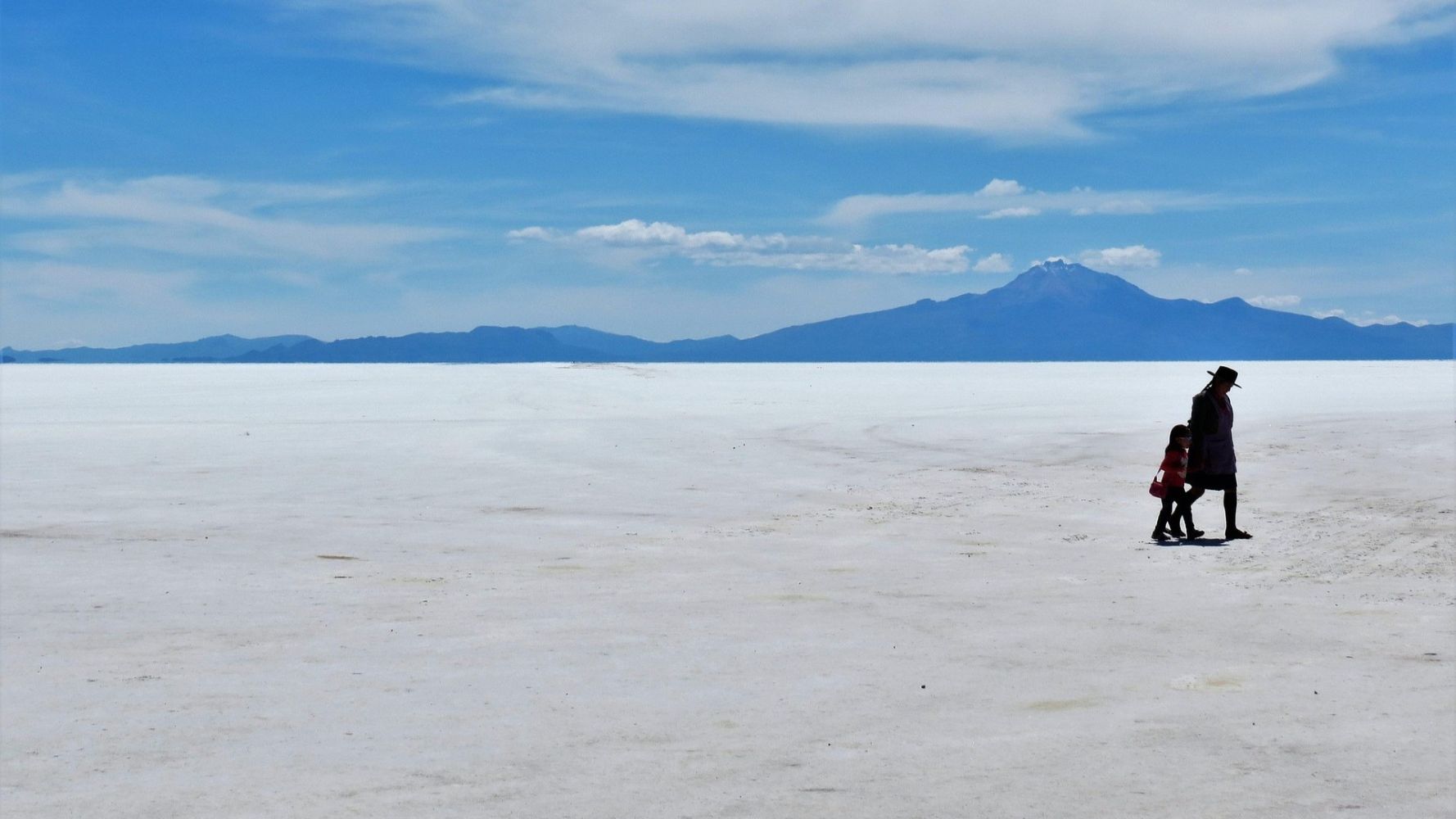
Image by Nuria Gonzalez from Pixabay
December 16, 2025
Institutional support for forcibly displaced people was strained near, but not beyond, the breaking point in 2025. Yet the picture isn’t only bleak, with the development of promising regional response plans, writes Ambassador M. Ashraf Haidari.
B
y 2025, the world’s safety net for people forced to flee is thinning in plain sight. Recent global displacement figures show well over 100 million women, men, and children forcibly uprooted from their homes. Behind each data point is a family that has packed a bag in minutes, left loved ones behind, or crossed a border not knowing if they will ever go back.
Afghanistan is one stark example. In the past two years, more than a million Afghans have returned from neighboring countries, but often only under pressure or threat of deportation. Recent updates and reports from the UNHCR describe families arriving in a country where the economy has collapsed, basic services are fragile, and women and girls face severe restrictions on education, work, and movement. The numbers may suggest that refugee totals are falling; in reality, many Afghans are simply being sent back into danger.
Sudan tells a different version of the same story. A devastating internal war has driven millions from their homes and across borders, turning parts of the region into one of the fastest–growing displacement crises of our time. Regional plans for Sudan and its neighbors, outlined in recent appeals and situation updates, warn that camps and host communities are beyond capacity. People arrive exhausted and malnourished to places where food rations are already being cut.
In Gaza, almost every family has experienced displacement—often more than once. Humanitarian situation reports from the Strip describe parents moving from one makeshift shelter to another, carrying toddlers, elderly relatives, and whatever belongings they can salvage, all while struggling to find clean water, bread, or medicine.
Even in regions with stronger institutions, the strain is visible. Across Europe, people fleeing the war in Ukraine continue to test how far solidarity can stretch. Data from the Ukraine displacement portal and temporary protection statistics show millions still hosted across the continent. Here, at least, there is evidence that a large region can offer legal status, access to services, and a degree of normality when political will, law, and resources align.
All of this is happening as humanitarian budgets shrink. A recent global overview of needs and funding, and a deeper look at the funding landscape, show historic gaps between what is required and what is available. Many major emergencies are funded at less than a quarter of what response plans call for. The human translation of that percentage is simple: shorter food lines, closed clinics, fewer protection workers, and more people turned away.
Yet 2025 is more than a catalogue of failures. Around the world, displaced families are increasingly receiving cash instead of just in–kind aid, allowing them to decide whether to pay for rent, food, or schoolbooks. Regional cash assistance for people fleeing Ukraine shows how quickly such programs can be scaled when there is political backing. In climate–exposed areas, anticipatory payments—transfers made before a drought or flood peaks—are starting to reach communities earlier, as highlighted in recent work on climate–driven displacement. Regional response plans, such as the Sudan refugee framework and long–running arrangements for Afghan and Syrian refugees, show that responsibility can be shared rather than simply shifted onto the closest border.
These stories point to a crossroads. One path leads to higher walls, chronic underfunding, and more forced returns to unsafe places—a world where institutions manage numbers, not protect people. The other path demands predictable multi-year financing, serious planning for climate–driven movement, and real power for refugee–, community–, and women–led organizations in shaping responses.
For tens of millions of forcibly displaced people—from Kabul to Khartoum, Gaza City to Kharkiv—the question is no longer whether our institutions exist. It is whether they will stand with them when they need them most, or step back just as the ground gives way beneath their feet.


