


very October, the World Health Summit (WHS) gathers ministers, scientists, health professionals, civil society leaders, and private-sector executives to set the agenda for global health. This year’s gathering, taking place October 11–13 in Berlin and online, brings more than 400 speakers across 75-plus sessions organized around six central topics: the global health architecture and its financing, pandemic prevention and preparedness, health equity for women, children, and youth, future-ready health systems built on AI and a strengthened workforce, health in conflict and humanitarian crises, and the environmental drivers of health. Alongside the main program, a slate of side meetings will offer smaller, more interactive settings for cross-sector deal-making.
The summit convenes in a global health system that looks markedly different from the one that met in Berlin a year ago. The WHS organizers themselves frame the moment starkly: official development assistance fell by 23% in 2025, according to OECD figures, with 26 of 34 OECD members cutting their budgets—including the five largest donors, the United States, France, Germany, Japan, and the United Kingdom. The U.S. withdrawal from the World Health Organization and its shift toward bilateral health agreements have, in the words of one WHS commentary by Lawrence Gostin and Sam Halabi, opened a rupture in solidarity that the multilateral system has yet to absorb.
That makes this year’s theme both an aspiration and a challenge. WHS 2025 drew more than 4,000 participants from 144 countries and produced concrete results, including Germany’s €1 billion pledge to the Global Fund. Attendees this year will need to grapple with a harder question: what does resilience look like when the money that once underwrote global health is contracting and the institutions that coordinated it are under strain?
What’s on the agenda?
Heading into WHS, here’s what to expect:
Reform, or a reckoning over power? The first central topic asks how to reshape financing and governance across a system the organizers describe as fragmented, duplicative, and concentrated in the hands of high-income donors. Reform talk is not new, but the funding collapse has given it urgency. WHS Council Co-Chair Ilona Kickbusch has argued in a recent commentary that architecture debates will fall short unless they confront who controls priorities, money, and evidence. One thing to watch is whether the main stage stays in the technical register of reform, or names the politics underneath it.
Health sovereignty moves from slogan to blueprint. The WHS Regional Meeting in Nairobi earlier this year drew more than 3,000 participants from over 80 countries and closed with a strong push toward health sovereignty across Africa, through regional manufacturing, domestic financing, and partnerships on equal footing. WHS International President Lukoye Atwoli has since argued that global health reform must begin with Africa. Berlin will show whether the Nairobi agenda shapes the global conversation or remains a regional sidebar.
Preparedness, with an outbreak in the horizon. Pandemic prevention and response will carry extra weight, with the organizers pointing to a run of recent outbreaks—Ebola, hantavirus, and Nipah—and CEPI planning to spotlight lessons from the Bundibugyo virus disease outbreak. The unfinished business is the WHO Pandemic Agreement’s annex on pathogen access and benefit sharing, still awaiting approval. Watch for whether Berlin builds momentum toward closing it, or whether the familiar pattern of attention rising in crisis and fading after, repeats itself.
Who pays for women’s and children’s health? With maternal mortality reductions stalled and adolescent mental health worsening, the equity track will test whether new financing models can fill the gap left by retreating donors. UNFPA is convening governments, development banks, philanthropy, and the private sector around investment in women’s health, an early test of whether blended finance can deliver at scale.
Health systems on the front lines of war and climate. Two tracks address health systems under direct assault: rising attacks on health facilities and personnel amid an erosion of international humanitarian law, and climate pressures from heat to vector-borne disease. On climate, the organizers acknowledge that momentum is stagnating. The question is whether health can be repositioned as a bridge to peace and a center of climate policy, or whether both topics will be crowded out by the financing debate.
What they’re saying
Needs are rising while traditional development financing is under growing pressure. We need to think differently about how we finance health.
—Diene Keita, Executive Director, United Nations Population Fund (UNFPA)
The Bundibugyo virus disease outbreak shows how an infectious disease threat can destabilize health systems, economies, and regional security.
—Jane Halton, Chair of the Board, Coalition for Epidemic Preparedness Innovations (CEPI)
Let’s be clear: there is no global health architecture, but there is an epistemic architecture that must be addressed as a power structure.
—Ilona Kickbusch, Council Co-Chair, World Health Summit
The global health architecture should not simply be built for Africa. It must be built with Africa, and with the involvement of Africans.
—Lukoye Atwoli, International President, WHS Regional Meeting 2026, on reforming the global health architecture
To develop resilient and effective health systems, we need to rethink and innovate how we finance, govern, and deliver health, as well as build partnerships and trust within and beyond the health sector.
—Axel R. Pries, President, World Health Summit
Strong and resilient health systems are built not only on infrastructure and expertise, but above all on trust—in science, in institutions, in a shared fundament of values and in one another.
—Brigitte Mohn, Chairwoman of the Executive Board, Bertelsmann Stiftung
AI disclosure note: AI [Claude Opus 5.5] assisted in the research and outline of the article before it was drafted by a human.


a global affairs media network
In Berlin, the World Health Summit Confronts a Global Health System Running on Less
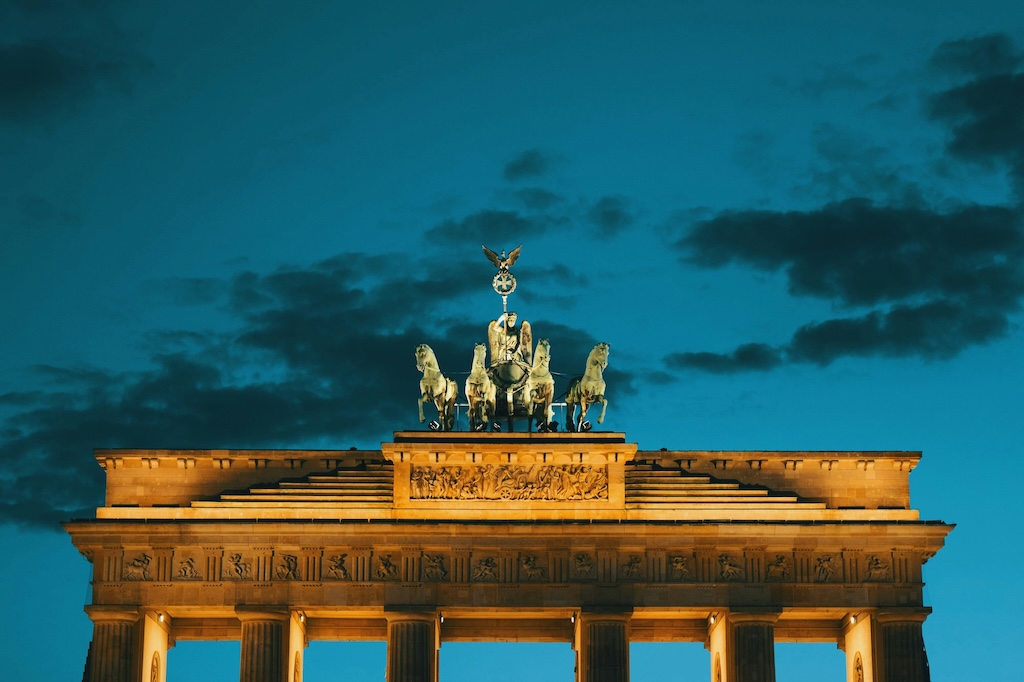
Photo by Dan via Unsplash.
October 11, 2026
As the World Health Summit convenes under the theme “From Crisis to Resilience: Innovating for Health,” the global health community arrives with less money, fewer certainties, and a growing appetite for sovereignty.
E
very October, the World Health Summit (WHS) gathers ministers, scientists, health professionals, civil society leaders, and private-sector executives to set the agenda for global health. This year’s gathering, taking place October 11–13 in Berlin and online, brings more than 400 speakers across 75-plus sessions organized around six central topics: the global health architecture and its financing, pandemic prevention and preparedness, health equity for women, children, and youth, future-ready health systems built on AI and a strengthened workforce, health in conflict and humanitarian crises, and the environmental drivers of health. Alongside the main program, a slate of side meetings will offer smaller, more interactive settings for cross-sector deal-making.
The summit convenes in a global health system that looks markedly different from the one that met in Berlin a year ago. The WHS organizers themselves frame the moment starkly: official development assistance fell by 23% in 2025, according to OECD figures, with 26 of 34 OECD members cutting their budgets—including the five largest donors, the United States, France, Germany, Japan, and the United Kingdom. The U.S. withdrawal from the World Health Organization and its shift toward bilateral health agreements have, in the words of one WHS commentary by Lawrence Gostin and Sam Halabi, opened a rupture in solidarity that the multilateral system has yet to absorb.
That makes this year’s theme both an aspiration and a challenge. WHS 2025 drew more than 4,000 participants from 144 countries and produced concrete results, including Germany’s €1 billion pledge to the Global Fund. Attendees this year will need to grapple with a harder question: what does resilience look like when the money that once underwrote global health is contracting and the institutions that coordinated it are under strain?
What’s on the agenda?
Heading into WHS, here’s what to expect:
Reform, or a reckoning over power? The first central topic asks how to reshape financing and governance across a system the organizers describe as fragmented, duplicative, and concentrated in the hands of high-income donors. Reform talk is not new, but the funding collapse has given it urgency. WHS Council Co-Chair Ilona Kickbusch has argued in a recent commentary that architecture debates will fall short unless they confront who controls priorities, money, and evidence. One thing to watch is whether the main stage stays in the technical register of reform, or names the politics underneath it.
Health sovereignty moves from slogan to blueprint. The WHS Regional Meeting in Nairobi earlier this year drew more than 3,000 participants from over 80 countries and closed with a strong push toward health sovereignty across Africa, through regional manufacturing, domestic financing, and partnerships on equal footing. WHS International President Lukoye Atwoli has since argued that global health reform must begin with Africa. Berlin will show whether the Nairobi agenda shapes the global conversation or remains a regional sidebar.
Preparedness, with an outbreak in the horizon. Pandemic prevention and response will carry extra weight, with the organizers pointing to a run of recent outbreaks—Ebola, hantavirus, and Nipah—and CEPI planning to spotlight lessons from the Bundibugyo virus disease outbreak. The unfinished business is the WHO Pandemic Agreement’s annex on pathogen access and benefit sharing, still awaiting approval. Watch for whether Berlin builds momentum toward closing it, or whether the familiar pattern of attention rising in crisis and fading after, repeats itself.
Who pays for women’s and children’s health? With maternal mortality reductions stalled and adolescent mental health worsening, the equity track will test whether new financing models can fill the gap left by retreating donors. UNFPA is convening governments, development banks, philanthropy, and the private sector around investment in women’s health, an early test of whether blended finance can deliver at scale.
Health systems on the front lines of war and climate. Two tracks address health systems under direct assault: rising attacks on health facilities and personnel amid an erosion of international humanitarian law, and climate pressures from heat to vector-borne disease. On climate, the organizers acknowledge that momentum is stagnating. The question is whether health can be repositioned as a bridge to peace and a center of climate policy, or whether both topics will be crowded out by the financing debate.
What they’re saying
Needs are rising while traditional development financing is under growing pressure. We need to think differently about how we finance health.
—Diene Keita, Executive Director, United Nations Population Fund (UNFPA)
The Bundibugyo virus disease outbreak shows how an infectious disease threat can destabilize health systems, economies, and regional security.
—Jane Halton, Chair of the Board, Coalition for Epidemic Preparedness Innovations (CEPI)
Let’s be clear: there is no global health architecture, but there is an epistemic architecture that must be addressed as a power structure.
—Ilona Kickbusch, Council Co-Chair, World Health Summit
The global health architecture should not simply be built for Africa. It must be built with Africa, and with the involvement of Africans.
—Lukoye Atwoli, International President, WHS Regional Meeting 2026, on reforming the global health architecture
To develop resilient and effective health systems, we need to rethink and innovate how we finance, govern, and deliver health, as well as build partnerships and trust within and beyond the health sector.
—Axel R. Pries, President, World Health Summit
Strong and resilient health systems are built not only on infrastructure and expertise, but above all on trust—in science, in institutions, in a shared fundament of values and in one another.
—Brigitte Mohn, Chairwoman of the Executive Board, Bertelsmann Stiftung
AI disclosure note: AI [Claude Opus 5.5] assisted in the research and outline of the article before it was drafted by a human.


