


nder the Radar is a weekly special series bringing you compelling, under–the–radar stories from around the world, one region at a time. This week in the Hinterlands: scientists and researchers are exploring AI’s potential for space exploration. Other noteworthy under–the–radar stories from the region include the Southern Indian Ocean losing an unprecedented amount of salinity, scientists successfully measuring space pollution for the first time, and Hawaiian residents voicing concern over rising sea levels.
Chinese scientists announced in February 2026 that they have developed an AI model to explore deep space by detecting faint frequency signals that had previously been too difficult for scientists to analyze, due to obstruction from background sky noise. In 2021, scientists tracked down a signal they thought was emanating from a star close to the sun only to discover it originated from a human–made device in Australia. The newly developed AI model uses 3D spatiotemporal analysis to separate deep–space frequencies from subtle noise fluctuations, like the one in Australia.
Also in February, a team of researchers began to use AI to find the long–mysterious landing site of Luna 9, the first spacecraft to land on the moon. The team has identified a possible landing site after training their algorithm on NASA’s Apollo program lunar landing sites. However, another researcher has identified a different possible landing site after manually scouring data from NASA’s Lunar Reconnaissance Orbiter with the help of his blog’s readers. These two proposed landing sites are roughly 15 miles apart. The mystery could be solved in March, when the Indian orbiter Chandrayaan–2 will image this general area of the moon with greater detail than the Lunar Reconnaissance Orbiter’s imaging.
Also in early February, one of NASA’s Mars rovers completed a fully AI–planned drive around rough terrain. NASA scientists have also equipped the rover with a GPS that, when used in conjunction with AI, could enable future autonomous exploration of Mars and other distant planets.
These AI models are in good company as scientists and researchers continue to explore AI’s potential for space exploration. In August 2025, IBM and NASA released an AI model that predicts violent solar flares with 16% more accuracy than any other current tool. In December 2025, researchers brought an AI–operated robot to the International Space Station (ISS). The robot operates 50–60% faster than humans, especially in challenging situations. NASA is also preparing to launch the Cooperative Autonomous Distributed Robotic Exploration (CADRE) mission in early 2026 to demonstrate how a trio of robots can autonomously explore and collect data on the moon.


a global affairs media network
Space exploration in the age of AI
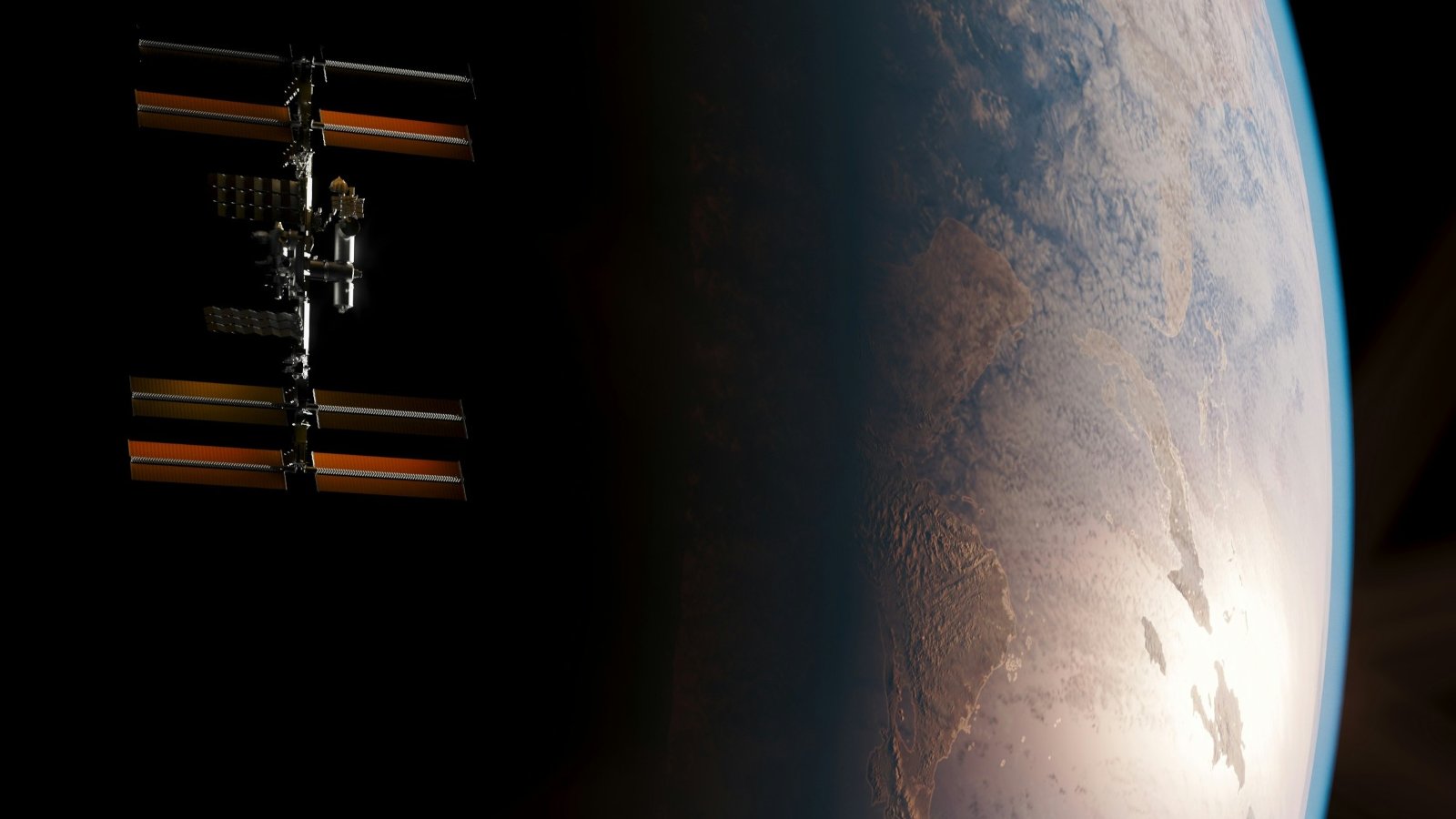
Image via Unsplash+
February 27, 2026
Diplomatic Courier’s Stephanie Gull brings you weekly under–the–radar stories from around the world. This week in the Hinterlands: Scientists around the world are exploring how AI can be used for space exploration.
U
nder the Radar is a weekly special series bringing you compelling, under–the–radar stories from around the world, one region at a time. This week in the Hinterlands: scientists and researchers are exploring AI’s potential for space exploration. Other noteworthy under–the–radar stories from the region include the Southern Indian Ocean losing an unprecedented amount of salinity, scientists successfully measuring space pollution for the first time, and Hawaiian residents voicing concern over rising sea levels.
Chinese scientists announced in February 2026 that they have developed an AI model to explore deep space by detecting faint frequency signals that had previously been too difficult for scientists to analyze, due to obstruction from background sky noise. In 2021, scientists tracked down a signal they thought was emanating from a star close to the sun only to discover it originated from a human–made device in Australia. The newly developed AI model uses 3D spatiotemporal analysis to separate deep–space frequencies from subtle noise fluctuations, like the one in Australia.
Also in February, a team of researchers began to use AI to find the long–mysterious landing site of Luna 9, the first spacecraft to land on the moon. The team has identified a possible landing site after training their algorithm on NASA’s Apollo program lunar landing sites. However, another researcher has identified a different possible landing site after manually scouring data from NASA’s Lunar Reconnaissance Orbiter with the help of his blog’s readers. These two proposed landing sites are roughly 15 miles apart. The mystery could be solved in March, when the Indian orbiter Chandrayaan–2 will image this general area of the moon with greater detail than the Lunar Reconnaissance Orbiter’s imaging.
Also in early February, one of NASA’s Mars rovers completed a fully AI–planned drive around rough terrain. NASA scientists have also equipped the rover with a GPS that, when used in conjunction with AI, could enable future autonomous exploration of Mars and other distant planets.
These AI models are in good company as scientists and researchers continue to explore AI’s potential for space exploration. In August 2025, IBM and NASA released an AI model that predicts violent solar flares with 16% more accuracy than any other current tool. In December 2025, researchers brought an AI–operated robot to the International Space Station (ISS). The robot operates 50–60% faster than humans, especially in challenging situations. NASA is also preparing to launch the Cooperative Autonomous Distributed Robotic Exploration (CADRE) mission in early 2026 to demonstrate how a trio of robots can autonomously explore and collect data on the moon.


