


he volatility of 2025 underscored something important about institutions designed to protect rights. They are defined not by their mandates but by how they respond to the world’s gravest injustices. Afghanistan sits at the center of this reckoning. Taliban decrees have banned women and girls from education, employment, and public life. This creates a fault line where political repression, humanitarian crisis, and gender apartheid converge. These conditions expose a deeper crisis of institutional purpose and raise questions regarding capacities to meet current needs.
Afghanistan’s crisis isn’t unique. Across continents, women confront a tightening of control, from assaults on reproductive autonomy to the criminalization of dissent. Afghanistan is the sharpest edge of a wider pattern where women’s rights become politically negotiable and regression ensues. In 2025, international institutions did not coherently address this challenge. Humanitarian access often took precedence over women’s inclusion, allowing exclusion to become an administrative compromise. Diplomatic engagement deferred rights to a future that hasn’t materialized.
But embers of hope are emerging. The International Criminal Court affirmed that gender apartheid falls within its jurisdiction, a crucial development in the quest for women’s rights. The ICC’s progress depends on Afghan women’s testimonies, but providing evidence places them at existential risk. Women who document violations—using tools such as eyeWitness—face arrest, torture, and disappearance. The glacial pace of international justice means many enduring gender apartheid today may never see accountability; justice must be timely and protective if it is to be effective.
At the International Court of Justice, states advanced arguments for recognizing gender apartheid as a violation of international law. This represents a substantive shift in the global normative landscape, bringing international law closer to what Afghan women have long asserted—that the erasure of women is not a cultural practice, it is a crime. With the political utility of cultural relativism increasingly in question, the foundations for future accountability are strengthening.
Spain has demonstrated principled resolve. The Foreign Minister, José Manuel Albares, noted that Taliban restrictions “not only attack women but also attack the most fundamental human rights.“ Madrid convened the “Hear Us” Conference in 2024 and the 2025 People’s Tribunal for the Women of Afghanistan, offering Afghan women rare political space to testify and lobby for justice. Likewise, The International Bar Association’s Human Rights Institute centered Afghan women’s testimonies, contributing legal expertise and international visibility. These actions are insufficient in isolation, but they illustrate what committed leadership can look like amid international uncertainty.
Institutional success cannot be gauged by procedural commitments; it must be judged by the capacity to protect those most targeted. The ICC and ICJ should accelerate their work, and states must resist the creeping normalization of the Taliban while strengthening protections for Afghan women reporting violations.
Without women’s participation, no political settlement can endure. If the institutions tasked with upholding women’s rights fail them now, the consequences will reach far beyond Afghanistan. The fault line runs through Kabul, but the tremors are global.


a global affairs media network
Gender apartheid and the crisis of global accountability
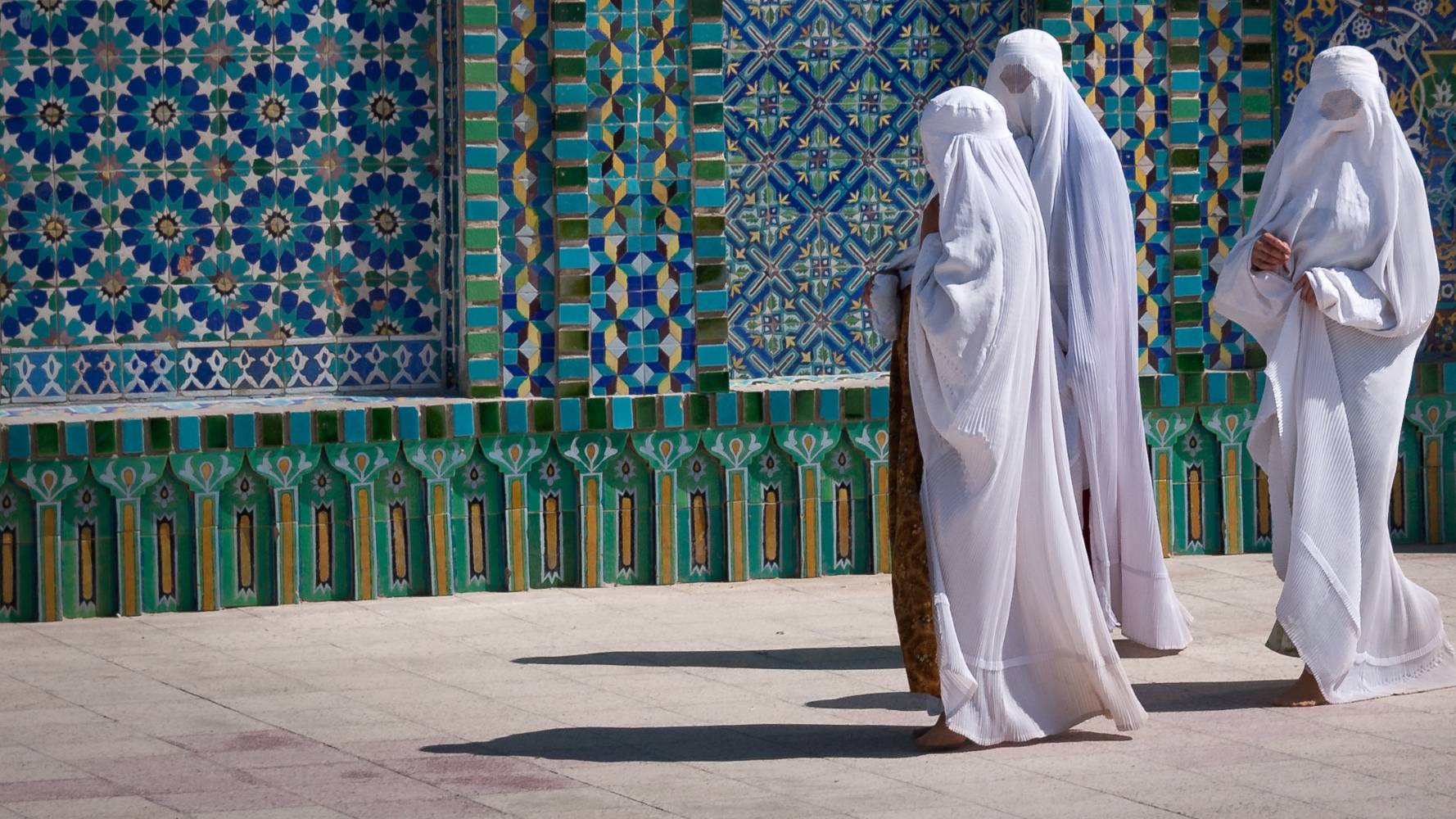
Image via Adobe Stock.
January 8, 2026
The global institutions designed to protect rights should be defined, not by their mandates, but by their response to crises. Gender apartheid in Afghanistan in 2025 did not reflect well on our institutions, but progress at the International Criminal Court is cause for hope, writes Marissa Quie.
T
he volatility of 2025 underscored something important about institutions designed to protect rights. They are defined not by their mandates but by how they respond to the world’s gravest injustices. Afghanistan sits at the center of this reckoning. Taliban decrees have banned women and girls from education, employment, and public life. This creates a fault line where political repression, humanitarian crisis, and gender apartheid converge. These conditions expose a deeper crisis of institutional purpose and raise questions regarding capacities to meet current needs.
Afghanistan’s crisis isn’t unique. Across continents, women confront a tightening of control, from assaults on reproductive autonomy to the criminalization of dissent. Afghanistan is the sharpest edge of a wider pattern where women’s rights become politically negotiable and regression ensues. In 2025, international institutions did not coherently address this challenge. Humanitarian access often took precedence over women’s inclusion, allowing exclusion to become an administrative compromise. Diplomatic engagement deferred rights to a future that hasn’t materialized.
But embers of hope are emerging. The International Criminal Court affirmed that gender apartheid falls within its jurisdiction, a crucial development in the quest for women’s rights. The ICC’s progress depends on Afghan women’s testimonies, but providing evidence places them at existential risk. Women who document violations—using tools such as eyeWitness—face arrest, torture, and disappearance. The glacial pace of international justice means many enduring gender apartheid today may never see accountability; justice must be timely and protective if it is to be effective.
At the International Court of Justice, states advanced arguments for recognizing gender apartheid as a violation of international law. This represents a substantive shift in the global normative landscape, bringing international law closer to what Afghan women have long asserted—that the erasure of women is not a cultural practice, it is a crime. With the political utility of cultural relativism increasingly in question, the foundations for future accountability are strengthening.
Spain has demonstrated principled resolve. The Foreign Minister, José Manuel Albares, noted that Taliban restrictions “not only attack women but also attack the most fundamental human rights.“ Madrid convened the “Hear Us” Conference in 2024 and the 2025 People’s Tribunal for the Women of Afghanistan, offering Afghan women rare political space to testify and lobby for justice. Likewise, The International Bar Association’s Human Rights Institute centered Afghan women’s testimonies, contributing legal expertise and international visibility. These actions are insufficient in isolation, but they illustrate what committed leadership can look like amid international uncertainty.
Institutional success cannot be gauged by procedural commitments; it must be judged by the capacity to protect those most targeted. The ICC and ICJ should accelerate their work, and states must resist the creeping normalization of the Taliban while strengthening protections for Afghan women reporting violations.
Without women’s participation, no political settlement can endure. If the institutions tasked with upholding women’s rights fail them now, the consequences will reach far beyond Afghanistan. The fault line runs through Kabul, but the tremors are global.


