


nder the Radar is a weekly special series bringing you compelling, under–the–radar stories from around the world, one region at a time. This week in the Americas, recent scientific studies, ongoing lawsuits, and witness testimonies illustrate the humanitarian and environmental harm done by Chilean salmon farms. Other noteworthy under–the–radar stories from the region include Canada’s desire to participate in Eurovision, musicians’ conflict with the Brazilian government, and the Peruvian Indigenous Guard’s attempts to combat illicit cocaine plantations.
Chile is the world’s second–largest salmon producer, with the salmon market expected to double by 2033. Salmon is not native to Chile and was introduced by the Chilean government in the 1970s to provide impoverished fishermen with economic opportunities. The government has since remained involved in salmon production, with eleven salmon farming companies partnering with Chile’s Agriculture and Livestock Service and the National Fisheries and Aquaculture Service in 2024 to improve the sustainability of the production and the health of the salmon. Yet Chile’s salmon production is facing intense scrutiny for its use of antimicrobials, environmental impacts, and humanitarian abuses.
A November 2025 scientific review identified risks posed by Chilean salmon farms’ rampant use of antimicrobials. Aquaculture reports show that Chilean salmon has the highest survival rate among top salmon producers, but it is still the most affected by infectious diseases. Although salmon farms use antimicrobials to ensure salmon are safe, previous studies have noted a correlation between Chile’s salmon farms and antibiotic–resistant salmon. Antimicrobials also have proven impacts on the environment and human health. Chilean salmon farms had been reducing their use of antimicrobials since 2023, in line with their partnership with the Monterey Bay Aquarium Seafood Watch, but August 2025 data showed a 3.6% rise. The data the government has been reporting has also been called into question, as in November 2025, the Chilean Supreme Court ordered a fine and a temporary suspension of Blumar (a salmon farming firm) for sharing false information about antimicrobial use with the government.
Chile’s Indigenous people have been outspoken about the environmental harm caused by salmon farms, including antimicrobial use, the relationship between salmon farms and harmful algal blooms, and the risk of salmon escaping and threatening native wildlife. In January 2025, Chile’s Supreme Court ruled that a salmon farm was guilty of polluting natural rivers with waste.
Recent witness testimonies are also highlighting the humanitarian harm that frequently occurs in the industry. An October 2025 article found that there were 83 salmon industry worker deaths in just 12 years, compared to Norway, the top salmon producer, which had three deaths in 34 years.
Here are some other under–the–radar stories from the Americas:
- Canada’s November federal budget mentioned that Canada is trying to participate in Eurovision, suggesting a way for Canada to further align itself with Europe instead of the U.S.
- Stringed instrument musicians are finding themselves at odds with the Brazilian government’s attempts to protect an endangered tree.
- The Peruvian Indigenous Guard is attempting to eradicate illicit cocaine plantations on their land.


a global affairs media network
Chilean salmon farms under scrutiny
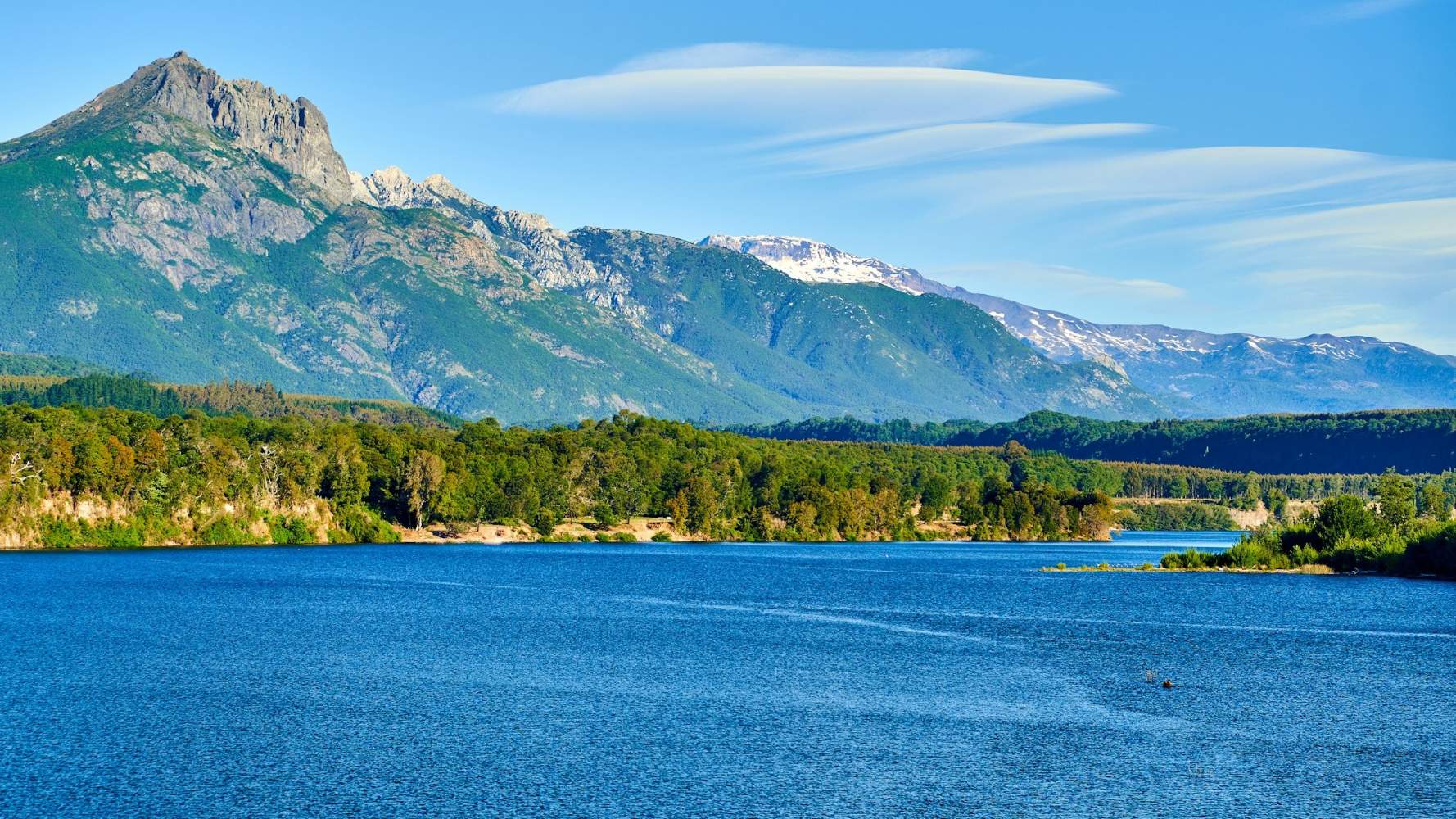
Photo by Ricardo Díaz on Unsplash
December 19, 2025
Diplomatic Courier’s Stephanie Gull brings you weekly under–the–radar stories from around the world. This week in the Americas: Chile’s booming salmon industry is coming under scrutiny for practices that critics say are causing major humanitarian and environmental harm.
U
nder the Radar is a weekly special series bringing you compelling, under–the–radar stories from around the world, one region at a time. This week in the Americas, recent scientific studies, ongoing lawsuits, and witness testimonies illustrate the humanitarian and environmental harm done by Chilean salmon farms. Other noteworthy under–the–radar stories from the region include Canada’s desire to participate in Eurovision, musicians’ conflict with the Brazilian government, and the Peruvian Indigenous Guard’s attempts to combat illicit cocaine plantations.
Chile is the world’s second–largest salmon producer, with the salmon market expected to double by 2033. Salmon is not native to Chile and was introduced by the Chilean government in the 1970s to provide impoverished fishermen with economic opportunities. The government has since remained involved in salmon production, with eleven salmon farming companies partnering with Chile’s Agriculture and Livestock Service and the National Fisheries and Aquaculture Service in 2024 to improve the sustainability of the production and the health of the salmon. Yet Chile’s salmon production is facing intense scrutiny for its use of antimicrobials, environmental impacts, and humanitarian abuses.
A November 2025 scientific review identified risks posed by Chilean salmon farms’ rampant use of antimicrobials. Aquaculture reports show that Chilean salmon has the highest survival rate among top salmon producers, but it is still the most affected by infectious diseases. Although salmon farms use antimicrobials to ensure salmon are safe, previous studies have noted a correlation between Chile’s salmon farms and antibiotic–resistant salmon. Antimicrobials also have proven impacts on the environment and human health. Chilean salmon farms had been reducing their use of antimicrobials since 2023, in line with their partnership with the Monterey Bay Aquarium Seafood Watch, but August 2025 data showed a 3.6% rise. The data the government has been reporting has also been called into question, as in November 2025, the Chilean Supreme Court ordered a fine and a temporary suspension of Blumar (a salmon farming firm) for sharing false information about antimicrobial use with the government.
Chile’s Indigenous people have been outspoken about the environmental harm caused by salmon farms, including antimicrobial use, the relationship between salmon farms and harmful algal blooms, and the risk of salmon escaping and threatening native wildlife. In January 2025, Chile’s Supreme Court ruled that a salmon farm was guilty of polluting natural rivers with waste.
Recent witness testimonies are also highlighting the humanitarian harm that frequently occurs in the industry. An October 2025 article found that there were 83 salmon industry worker deaths in just 12 years, compared to Norway, the top salmon producer, which had three deaths in 34 years.
Here are some other under–the–radar stories from the Americas:
- Canada’s November federal budget mentioned that Canada is trying to participate in Eurovision, suggesting a way for Canada to further align itself with Europe instead of the U.S.
- Stringed instrument musicians are finding themselves at odds with the Brazilian government’s attempts to protect an endangered tree.
- The Peruvian Indigenous Guard is attempting to eradicate illicit cocaine plantations on their land.


