


nder the Radar is a weekly special series bringing you compelling, under–the–radar stories from around the world, one region at a time. This week in Sub–Saharan Africa, a Malian refugee camp in Mauritania is struggling amid constrained funding and ballooning numbers of refugees. Other noteworthy under–the–radar stories from the region include Malian teachers using AI to teach local languages, Eswatini becoming the first African country to receive a groundbreaking HIV medicine, and the reopening of a world–renowned chimpanzee sanctuary.
Mbera, a Malian refugee camp in Mauritania, hosts over 118,000 Malian refugees, with an estimated 154,000 more in the surrounding area, according to a 2025 report. More than half of the refugees are under 18. Established in 2012 due to the ongoing conflict in Mali, Mbera has become the third–largest settlement in Mauritania, with its population well above full–capacity for the camp. A recent surge in violence continues to see the number of Malian refugees grow, with over 600,000 Malians displaced by August 2024, so pressure on Mbere is expected to increase.
The camp currently has over 500 refugee–managed shops, a Mauritanian bank, multiple schools, and ongoing sports activities. Many of the Malian refugees volunteer to put out fires in and around Mbera and also contribute to the Great Green Wall Initiative by planting trees to replace those used for building and cooking in the camp. However, following the recent reduction in global humanitarian aid, humanitarian organizations are concerned about their ability to continue supporting so many refugees. As of October 2025, students at the camp are getting fed one meal a day consisting of rice and sometimes legumes. The well–established market in the camp now typically operates on credit, as humanitarian organizations can only distribute around $12 per month to the most vulnerable people.
Mauritania is also facing rising food insecurity, with 12% of the population facing acute food insecurity in the 2025 lean season. The climate crisis exacerbates food insecurity, as Mauritania has recently been hit by both extreme droughts and flooding. Notably, only 0.4% of Mauritania is suitable for agriculture, worsening food shortages and unemployment rates. The Mbera area is a desert region, making it especially unsuitable for agriculture, which has created friction between Malian refugees and Mauritanian civilians. Many of the refugees were herders in Mali, but those who brought their livestock with them cannot find pasture during the dry season, forcing them to look beyond the Mbera area, into pastures used by Mauritanian herders.
In late September 2025, the African Development Bank approved a $500,000 emergency grant to Mauritania to support the Malian refugees and their host communities. However, this grant is intended only for water, sanitation, and hygiene needs in the region, leaving a gap in addressing growing concerns about medical needs, education, and food insecurity.
Here are some other under–the–radar stories from across Sub–Saharan Africa:
- Malian teachers are using AI to teach students to read and write in local languages, as French books replaced most books written in Malian languages during colonization.
- On November 18, Eswatini became the first African country to receive a new HIV medicine heralded by the World Health Organization.
- Sierra Leone’s world–renowned chimpanzee sanctuary officially reopened after the government committed to protecting the area from further deforestation.


a global affairs media network
Already–overcrowded Malian refugee camp in crisis
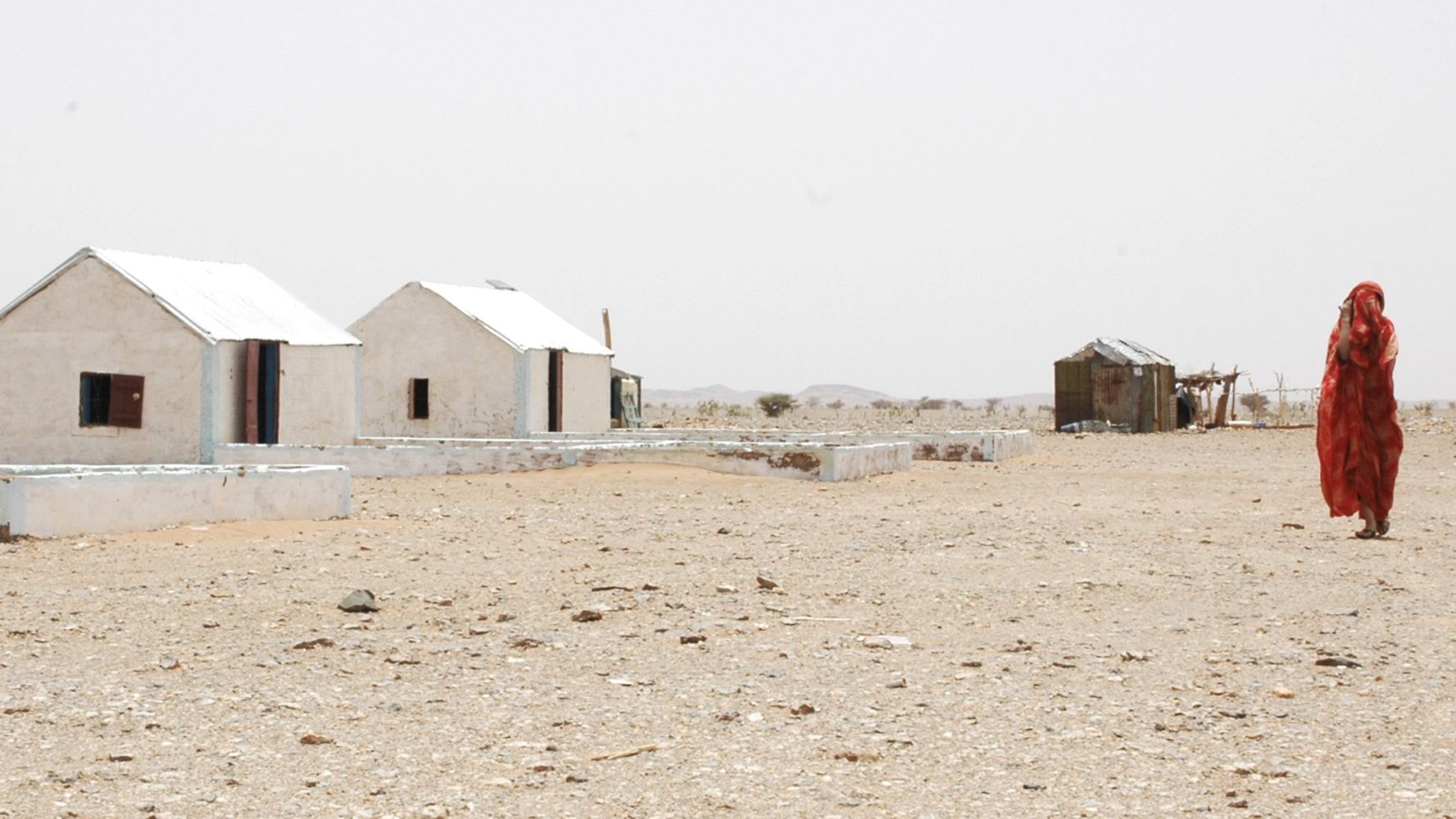
Image via Vix Mørá on Flickr. CC BY-NC 2.0
December 5, 2025
Diplomatic Courier’s Stephanie Gull brings you weekly under–the–radar stories from around the world. This week in Sub–Saharan Africa: A Malian refugee camp in Mauritania is undergoing a crisis even as Mauritania faces food insecurity.
U
nder the Radar is a weekly special series bringing you compelling, under–the–radar stories from around the world, one region at a time. This week in Sub–Saharan Africa, a Malian refugee camp in Mauritania is struggling amid constrained funding and ballooning numbers of refugees. Other noteworthy under–the–radar stories from the region include Malian teachers using AI to teach local languages, Eswatini becoming the first African country to receive a groundbreaking HIV medicine, and the reopening of a world–renowned chimpanzee sanctuary.
Mbera, a Malian refugee camp in Mauritania, hosts over 118,000 Malian refugees, with an estimated 154,000 more in the surrounding area, according to a 2025 report. More than half of the refugees are under 18. Established in 2012 due to the ongoing conflict in Mali, Mbera has become the third–largest settlement in Mauritania, with its population well above full–capacity for the camp. A recent surge in violence continues to see the number of Malian refugees grow, with over 600,000 Malians displaced by August 2024, so pressure on Mbere is expected to increase.
The camp currently has over 500 refugee–managed shops, a Mauritanian bank, multiple schools, and ongoing sports activities. Many of the Malian refugees volunteer to put out fires in and around Mbera and also contribute to the Great Green Wall Initiative by planting trees to replace those used for building and cooking in the camp. However, following the recent reduction in global humanitarian aid, humanitarian organizations are concerned about their ability to continue supporting so many refugees. As of October 2025, students at the camp are getting fed one meal a day consisting of rice and sometimes legumes. The well–established market in the camp now typically operates on credit, as humanitarian organizations can only distribute around $12 per month to the most vulnerable people.
Mauritania is also facing rising food insecurity, with 12% of the population facing acute food insecurity in the 2025 lean season. The climate crisis exacerbates food insecurity, as Mauritania has recently been hit by both extreme droughts and flooding. Notably, only 0.4% of Mauritania is suitable for agriculture, worsening food shortages and unemployment rates. The Mbera area is a desert region, making it especially unsuitable for agriculture, which has created friction between Malian refugees and Mauritanian civilians. Many of the refugees were herders in Mali, but those who brought their livestock with them cannot find pasture during the dry season, forcing them to look beyond the Mbera area, into pastures used by Mauritanian herders.
In late September 2025, the African Development Bank approved a $500,000 emergency grant to Mauritania to support the Malian refugees and their host communities. However, this grant is intended only for water, sanitation, and hygiene needs in the region, leaving a gap in addressing growing concerns about medical needs, education, and food insecurity.
Here are some other under–the–radar stories from across Sub–Saharan Africa:
- Malian teachers are using AI to teach students to read and write in local languages, as French books replaced most books written in Malian languages during colonization.
- On November 18, Eswatini became the first African country to receive a new HIV medicine heralded by the World Health Organization.
- Sierra Leone’s world–renowned chimpanzee sanctuary officially reopened after the government committed to protecting the area from further deforestation.


